Ranking a website on Google is an important part of search engine optimisation (SEO). Businesses and website owners want their websites to appear on the first page of Google because higher rankings can bring more visitors, increase brand awareness, and generate potential customers. Google uses different ranking systems and algorithms to understand website content and show users the most relevant results for their searches. To improve website rankings, it is important to follow proper SEO practices, publish useful content, and provide a good user experience.
The first step in ranking a website on Google is keyword research. Keywords are the words and phrases that people type into search engines when looking for information, products, or services. Finding the right keywords helps website owners understand what their target audience is searching for. Tools such as Google Keyword Planner, Ahrefs, and Semrush can help identify relevant keywords, search volume, keyword difficulty, and related search terms. It is important to select keywords that match the website topic and search intent. Using relevant keywords naturally in website content, headings, page titles, and descriptions can help search engines understand the purpose of each page.
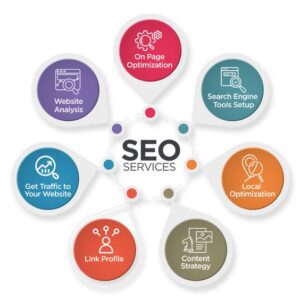
On-page SEO is another important factor in improving Google rankings. It involves optimising individual website pages to make them easier for search engines and visitors to understand. Every page should have a clear SEO title, a relevant meta description, and a simple URL structure. Keywords should be included naturally in the main heading, subheadings, introduction, and body content. Images should have descriptive alt text, and internal links should connect related pages on the website. Well-organised content makes it easier for visitors to find useful information and navigate between different pages.
Creating high-quality content is essential for long-term SEO success. Google aims to provide users with helpful, relevant, and reliable information. Website owners should publish original articles, guides, tutorials, and informative pages that answer users’ questions. Content should be easy to read, properly structured, and updated when necessary. Instead of focusing only on adding keywords, marketers should understand the audience’s needs and provide clear answers. Regularly publishing useful content can help a website cover more relevant topics and attract organic traffic.
Technical SEO also plays an important role in website ranking. It focuses on improving the technical structure of a website so search engines can crawl and index its pages properly. A website should load quickly, work correctly on mobile devices, use HTTPS security, and have a clear website structure. Creating an XML sitemap and submitting it through Google Search Console can help Google discover important pages. Website owners should also check for broken links, duplicate content, indexing problems, and incorrect redirects. Google PageSpeed Insights can help identify website speed and performance issues.
Off-page SEO is another method used to improve a website’s authority and online visibility. It mainly involves activities performed outside the website, especially earning quality backlinks from relevant and trustworthy websites. Backlinks are links from other websites that point to your website. They can help search engines understand the credibility and relevance of a page. Digital marketers can build backlinks through guest posting, useful research, industry directories, digital PR, and creating shareable resources. However, buying spammy links or using manipulative link-building techniques can negatively affect SEO performance.
Mobile optimisation is equally important because many people use smartphones to browse websites and search for information. A website should have a responsive design, readable text, properly sized images, and easy navigation on smaller screens. Google primarily uses the mobile version of a website for indexing and ranking. Therefore, website owners should regularly test their pages on different devices and fix any mobile usability issues.
Google Search Console and Google Analytics 4 are useful tools for monitoring SEO performance. Google Search Console provides information about search queries, impressions, clicks, average positions, and indexing issues. Google Analytics 4 helps website owners understand visitor behaviour, traffic sources, and conversions. By regularly reviewing this information, digital marketers can identify which pages are performing well and which pages need improvement.
User experience and search intent should also be considered when optimising a website. Search intent refers to the reason behind a user’s search query. Some people want information, while others want to compare products or make a purchase. Website content should match the purpose of the search. Clear navigation, useful information, readable layouts, and relevant internal links can help visitors find what they need.
AI is also creating new opportunities in SEO. Digital marketers can use AI tools for keyword research, content planning, competitor analysis, and identifying optimisation opportunities. However, AI-generated content should always be reviewed for accuracy, originality, and usefulness. Websites should focus on providing valuable information rather than publishing large amounts of low-quality content. Consistent SEO improvements, useful content, and a technically sound website can help improve visibility in Google search results over time.